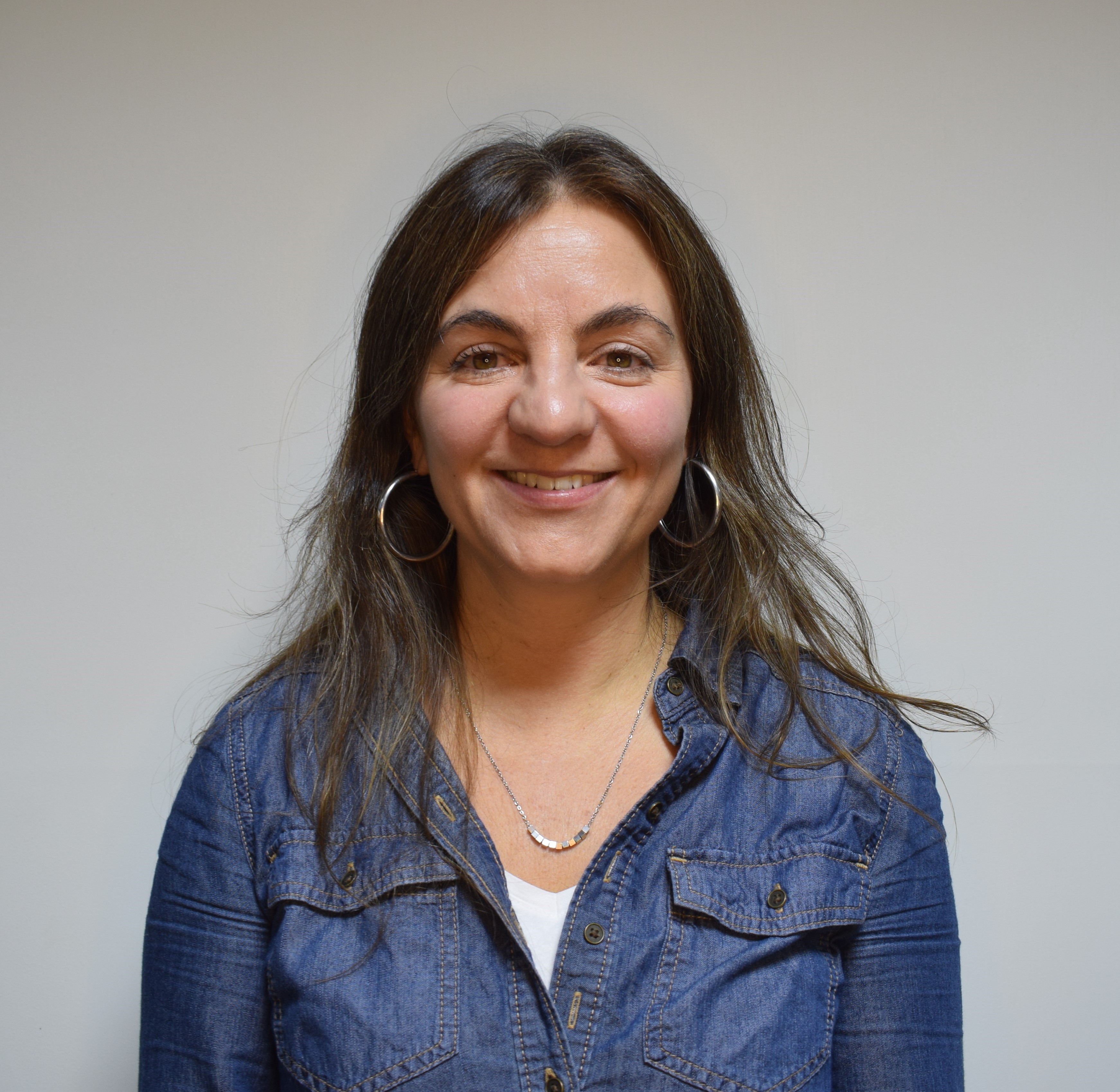
Lorena Etcheverry
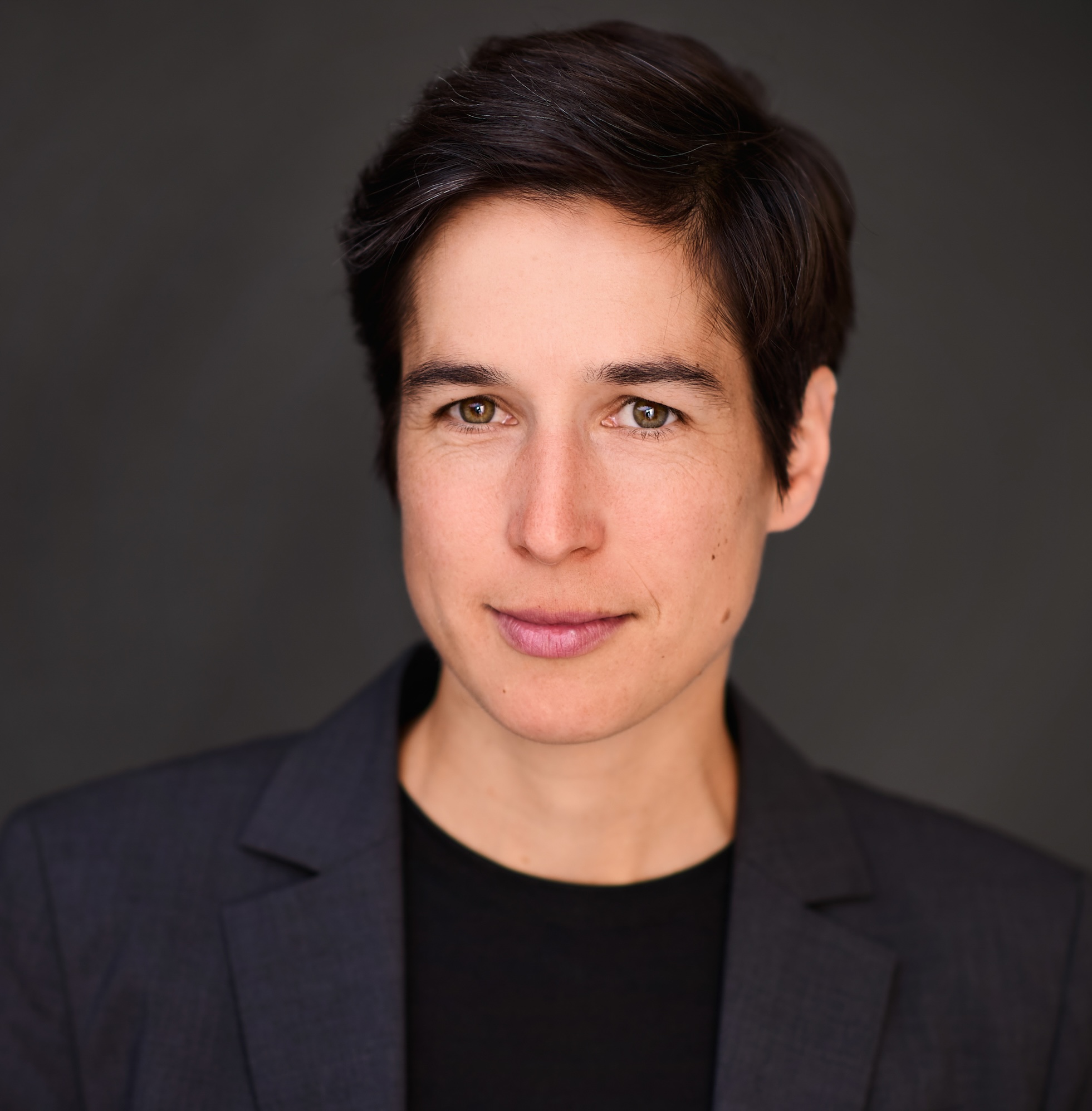
Lisa Ehrlinger
Katja Hose
Maria Angela Pellegrino
Anisa Rula
A Dagstuhl-like workshop at The 25th International Semantic Web Conference (ISWC) 2026.
Knowledge Graphs (KGs) are increasingly relied upon as semantic infrastructure for AI systems, they act as the foundation for generative models, support retrieval, and serve as machine-actionable memory for autonomous agents. This diverse use places new demands on KGs that traditional data quality (DQ) dimensions, such as accuracy, completeness, consistency, timeliness, only partially capture: what matters is no longer just whether facts are correct, but whether a KG’s semantics are sound enough for an AI system to depend on, including well-formed ontological commitments, correctly disambiguated entities and relations, traceable provenance, and machine-interpretable meaning. A KG can score well on conventional DQ metrics and still fail as AI infrastructure, since classical frameworks were designed for static, human-facing data rather than knowledge that machines interpret, traverse, and reason over. This Dagstuhl-style workshop argues that AI usage surfaces a new DQ landscape specific to KGs as semantic artifacts, distinct from DQ for AI in general, and brings together researchers and practitioners from the Semantic Web, Knowledge Graph, data management, and AI communities to identify the DQ dimensions distinctive to KGs in AI contexts and develop a shared research agenda going forward.
The workshop focuses on the semantic dimensions of DQ that emerge when KGs serve as infrastructure for AI systems, distinguishing it from DQ assessment in general or AI applications more broadly.
Topics of interest include:
If you would be interested in taking part, we kindly ask you to complete the following Google Form to express your interest. The responses will help us identify potential participants for the workshop.
Further information is also available on a Padlet.
| Time | Description |
|---|---|
| 09:00 - 09:10 | Welcome by the organizers with a short intro about the schedule and expected outcome of the workshop on the on what the way of working would be. Expectations, intended outcomes. |
| 09:10 - 09:30 | People present themselves |
| 09:30 - 10:30 | "Speed Dating" (with 2 to 3 people): brainstorming on use cases that are not sufficiently investigated in research |
| 10:40 - 11:10 | Coffee break |
| 11:10 - 11:20 | Weighting: proposed topics are weighted per importance |
| 11:20 - 12:00 | Investigating topics emerged from speed dating |
| 12:00 - 12:50 | Collective wrap-up |